

Health x Wellness
Five Podiatry Tips to Help You Put Your Best Foot Forward into the New Year
Singaporeans are increasingly more mindful of the importance of staying active for a happier and healthier life.
As individuals move more, they are also starting to understand the importance of foot health to overall mobility and wellbeing. From building up endurance for 30-thousand steps on their holidays, to competing in marathons or HYROX, many are turning to podiatry to improve the way they walk, run, or even select the best shoes to support their activities and stay injury-free.
Lewis Nurney, Head of Podiatry at UFIT, shares five tips to help you improve your foot health for better movement and everyday comfort.
1. Choose the Right Footwear
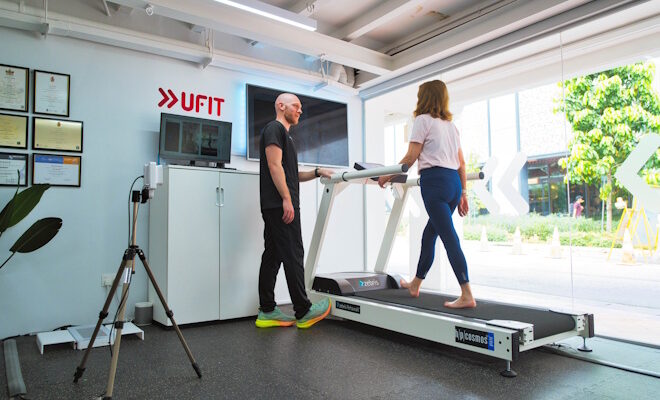
Blisters, bunions, calluses are no strangers to any person who has suffered from not using the right footwear to support their daily activities. Ill-fitting shoes can cause injuries. At UFIT Podiatry, clients undergo a comprehensive consultation including gait analysis on the Zebris Treadmill with high-speed video capture. This allows the podiatrist to conduct a comprehensive and personalised dynamic assessment to analyse how individuals move.
UFIT also offers the Advanced Running Consultation, a comprehensive, data-driven analysis of an individual’s running biomechanics. By evaluating the client’s movement, strength and gait, UFIT helps to uncover any inefficiencies, identify potential injury risks and provide actional steps to help them move better.
Additionally, a podiatrist can also recommend footwear or orthotics tailored to an individual’s foot type, gait and activity level. UFIT offers Singapore’s only in-house 3D-printed custom orthotic insoles to provide targeted support and cushioning, effectively managing many foot and ankle conditions.
2. Stretch, Roll, and Release Your Feet
Simple stretches for the calves, arches, and toes before and after exercise can prevent strains and ease soreness. To facilitate effective plantar fascia release, gently roll a tennis ball or a frozen water bottle under the arch of the foot for 5–10 minutes. This intervention can help reduce soft tissue tension, promote local circulation, and support recovery, thereby maintaining foot readiness for subsequent physical activity.”
3. Pay Attention to Pain
Persistent heel, arch, or ankle pains should not be ignored, as they may signal an underlying problem. Early assessment by a podiatrist can prevent more serious injuries down the road.
Sharp or localised pain in spots such as at the heel or along the shins, could indicate conditions like plantar fasciitis or stress fractures. Left untreated, foot issues may lead to compensatory pain in the knees, hips, or back, or contribute to the development of bunions, hammertoes, corns, or calluses.
4. Strengthen Your Feet and Ankles
Exercises such as toe curls, calf raises, and balance training can improve stability and reduce the risk of sprains or overuse injuries.
5. Maintain Good Foot Hygiene and Care
Regular nail care, inspecting for blisters or wounds, and keeping feet dry and clean can prevent infections. It is especially important for people with diabetes or reduced sensation in their feet.
How UFIT Podiatry Can Help You
When at-home remedies fail to provide lasting relief, it is often a sign that the root cause, not just the symptoms, needs attention. A consultation with the podiatrist will help accurately diagnose the source of your pain with advanced gait analysis and biomechanical assessments. A personalised care plan comprising a mix of clinical interventions, strengthening exercises, footwear recommendations, custom orthotics, or shockwave therapy to promote healing will be developed for the clients.
Alongside other health and fitness services like physiotherapy and personal training, Podiatry is part of UFIT’s Circle of Care. This means clients get access to a support team of professionals as part of their program to help them achieve long-lasting and meaningful results. Your daily life should not be limited by foot discomfort.
Article contributed by Lewis Nurney, Head of Podiatry at UFIT.