


The Gen XY Lifestyle
The Hidden Crisis: Why 8 in 10 Singaporeans Delay Medical Care Despite Excellent Healthcare
Despite Singapore boasting a world-renowned healthcare system, a new report reveals a critical disconnect: a massive 83 percent of respondents have delayed seeking medical care in the past year.
The primary reasons aren’t poor quality, but a sense of duty to work and confusion over cost and access.
The report, “Patient voices Singapore: towards more informed and seamless care,” commissioned by Prudential and conducted by Economist Impact, examined how people in Singapore experience healthcare. It uncovers key barriers that prevent people from seeking timely care, ultimately escalating minor issues into major health and financial burdens.
Work, Family, and Financial Fears
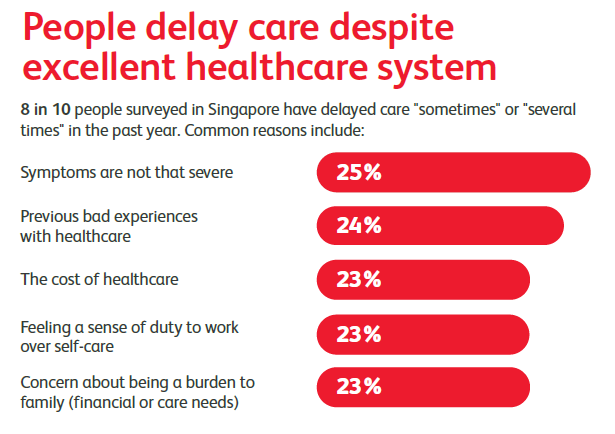
The findings suggest that the decision to delay care is often rooted in personal obligations and anxieties.
The most common reasons cited by those who delayed care include:
- Sense of Duty to Work: A sense of obligation to prioritise work over self-care (23 percent) .
- Avoiding Burdening Family: Concern about being a financial or care-giving burden to family members (23 percent) .
- Cost Concerns: The cost of healthcare was cited by 23 percent of those who delayed care.
Other significant factors included believing symptoms were not severe enough (25 percent) and being discouraged by previous bad experiences (24 percent) .
The Need for Clarity and Cost Certainty
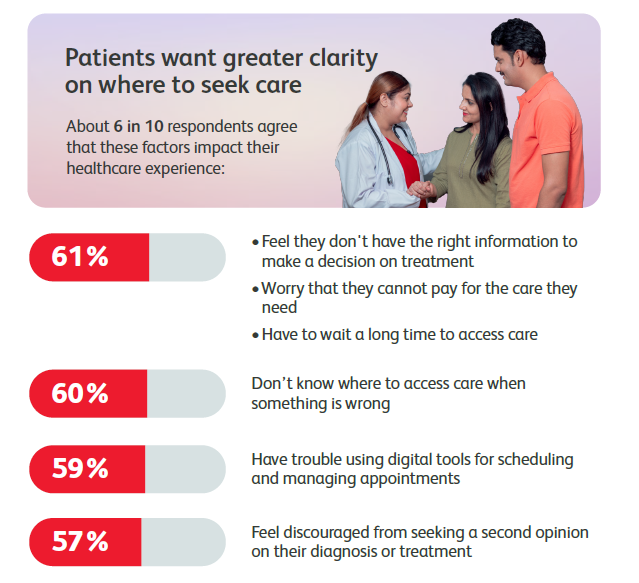
Ambiguity in the healthcare journey further contributes to the tendency to put off care. Nearly six in ten respondents worried about two key areas: access and cost:
- Confusion Over Access: 60 percent of respondents often didn’t know where to go when something was wrong.
- Information Gap: 61 percent felt they didn’t have the right information to make a decision on treatment.
- Financial Anxiety: Just over six in ten worried if they could pay for the care they needed. Alarmingly, about half of respondents found their medical bills higher than expected in the past year.
Nidhi Swarup, founding chairperson of the Alliance of Patients’ Organisations Singapore, noted, “The conversation about costs starts only when they’re at the emergency department. That’s when people say, ‘We didn’t expect the cost to be so high’.”
Improving the Patient Experience
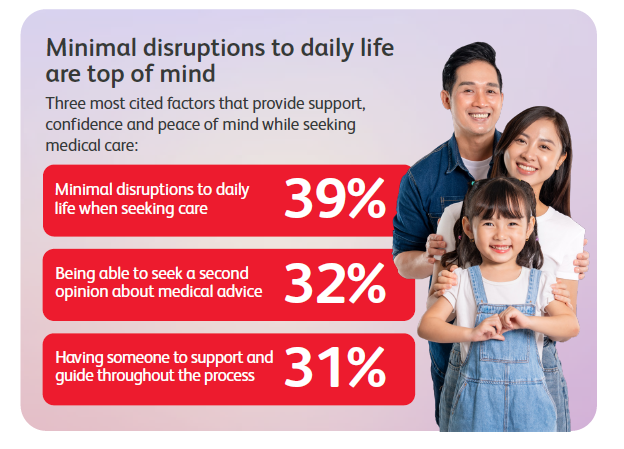
Respondents identified what they need most for greater support, confidence, and peace of mind when seeking medical care. The three most cited factors were:
- Minimal Disruptions to Daily Life (39 percent).
- Being Able to Seek a Second Opinion (32 percent).
- Having Someone to Support and Guide Throughout the Process (31 percent).
Dr. Sidharth Kachroo, Chief Health Officer at Prudential Singapore, stated, “The path forward requires shifting the focus to making it a well-understood and easily accessible system for all.”
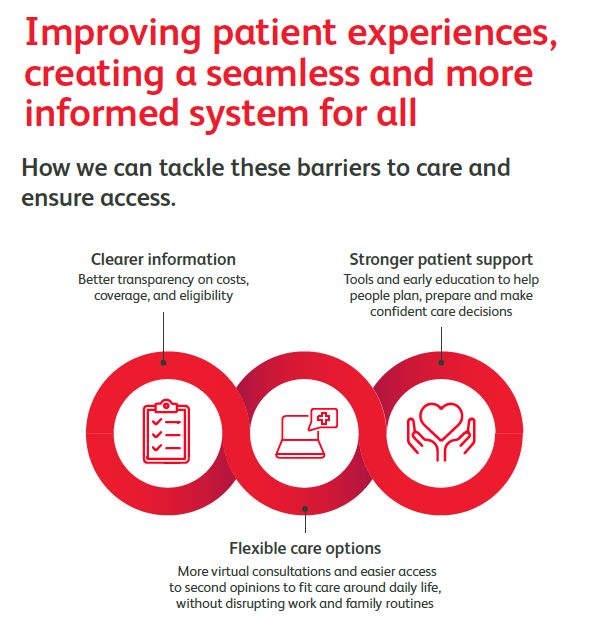
To address this, key strategies include:
- Guidance and Continuity: Initiatives like Healthier SG emphasise the central role of Family Physicians in coordinating care and providing clarity on where to start the patient journey.
- Cost Certainty: Insurers, like Prudential, are improving transparency through partnerships (PRUPanel Connect) where fees are agreed upfront, and providing concierge officers on-site to clarify policy queries. Public resources like the Health Insurance Planner also help individuals project premiums and compare benefits.
- Financial Safety Net: While cost is a worry, Singapore’s healthcare is supported by the S+3M framework (Subsidies, MediSave, MediShield Life, and MediFund), which keeps essential care affordable at restructured hospitals. Private Integrated Shield Plans complement this by offering extra cover.
The goal is to provide patients with the confidence and certainty to seek the right healthcare when and where they need it most.
Graphics credit to Prudential Singapore.