
The Gen XY Lifestyle
Wenzhou Mansion Debuts as Singapore’s First Fine-Dining Destination for Wenzhou Cuisine
A new chapter in high-end Chinese dining has arrived in Tanjong Pagar with the opening of Wenzhou Mansion, the first and only Jiangsu-Zhejiang fine-dining restaurant in Singapore dedicated exclusively to the nuanced traditions of Wenzhou cuisine.
Led by an Intangible Cultural Heritage inheritor, the restaurant offers a definitive showcase of East China Sea seafood and time-honoured culinary techniques.
Housed within a striking white-brick colonial façade, Wenzhou Mansion balances heritage with a contemporary expression of one of Jiangzhe’s most prestigious regional schools.
The Essence of “Lightness” and Precision
Wenzhou cuisine, also known as Ou cuisine, is one of the four major schools of Zhejiang cooking. While other schools like Hangzhou and Shaoxing are known for precise heat control or rich wine-braised textures, Wenzhou cuisine is defined by its extraordinary “lightness”.
According to the culinary team, this lightness is achieved by:
- Minimalist Sauces: Deliberately reducing the use of oil and thick starches to ensure diners “taste the ingredient, not the sauce”.
- Masterful Knife Work: Utilizing advanced techniques, such as hand-pounded fish and paper-thin slicing, to create a refreshing mouthfeel.
- Health-Oriented Logic: Favouring high-protein, low-fat methods like steaming and blanching. The cuisine is so naturally lean it has earned the nickname “built-in weight management cuisine”.
A Menu Defined by the East China Sea
Under the guidance of Chief Curator Li Chuhua, a recognised Intangible Cultural Heritage inheritor, the menu features over 120 dishes that celebrate maritime abundance.
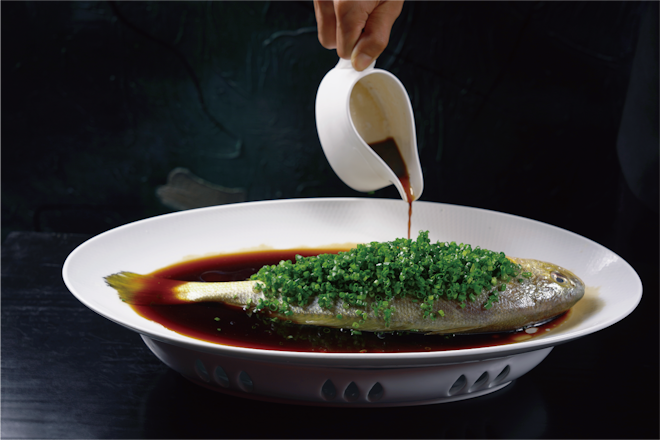
Signature Highlights:
- Large East China Yellow Croaker with Scallion Oil: Often called “the gold of the sea,” this prized fish is lightly steamed to preserve its delicate texture and finished with fragrant scallion oil.
- Raw Marinated Wenzhou Swimming Crab: A dish that showcases the cuisine’s reliance on freshness, curing sweet crab in a bespoke blend of herbs and spices.
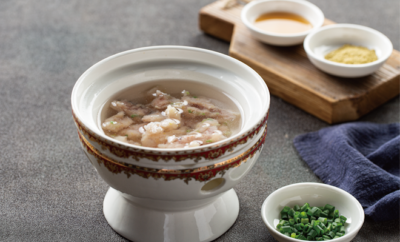
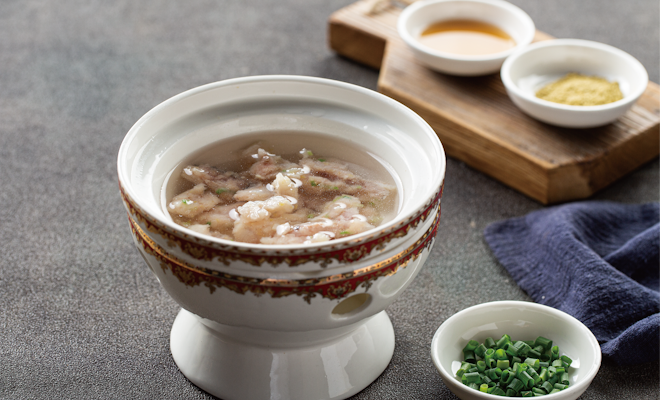
- Wenzhou Fish Ball & Pork Wonton Soup: A comforting, clear broth featuring springy, hand-crafted fish balls.
- Crispy Baby Roasted Duck with Peppercorn: For those seeking bolder notes, this dish offers crisp skin and tender meat with a restrained hint of numbing spice.
Elegant Dining in Tanjong Pagar
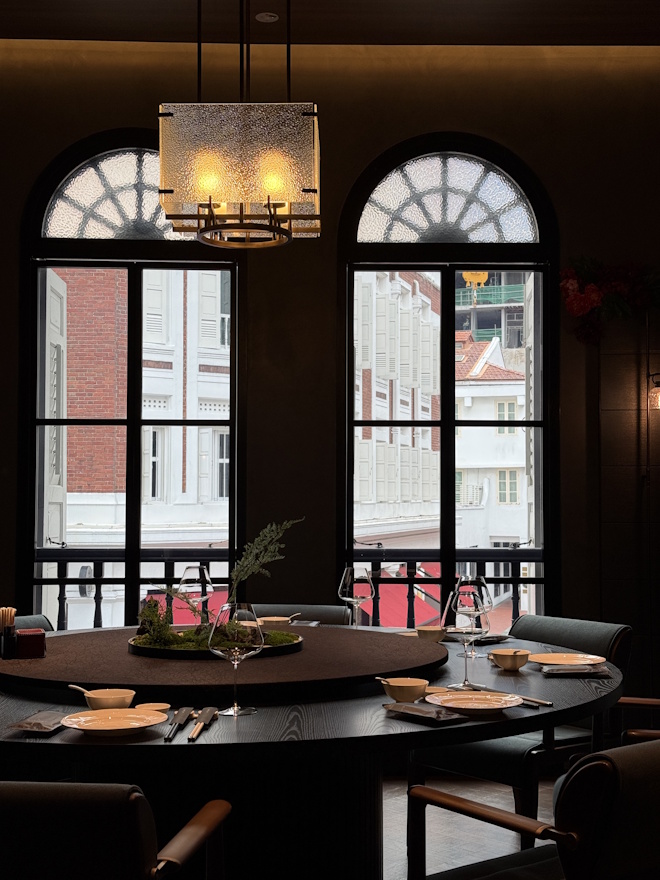
The restaurant’s interior provides a moody, refined contrast to its colonial exterior. Dark wood tones and floor-to-ceiling windows create a composed atmosphere suitable for everything from efficient business lunches to intimate celebrations.
- Capacity: 88 guests.
- Private Dining: Seven rooms are available for various group sizes.
- Location: 60, 62, 64 Tanjong Pagar Rd, Singapore 088481.
- Hours: Daily, 11:30 AM – 2:30 PM; 5:30 PM – 10:00 PM.
the Active Age had a discussion about Wenzhou cuisine with Chief Curator Li Chuhua. (Responses translated into English)
the Active Age (AA): Can you introduce the four schools of Zhejiang cuisine?
Li Chuhua (LC): Hangzhou cuisine. The mainstream of Zhejiang cooking, emphasising precise knife work and heat control, with light, clean flavours that highlight natural ingredients (such as West Lake Vinegar Fish and Longjing Tea Shrimp).
Ningbo cuisine: Known for its balance of saltiness and freshness, with a strong focus on seafood and respect for original flavours (for example, Yellow Croaker in Pickled Snow Cabbage Broth).
Shaoxing cuisine: Combines river produce with cured and preserved foods, makes generous use of Shaoxing wine, and is noted for its rich aroma and tender, braised textures (such as Braised Pork with Preserved Vegetables).
Wenzhou cuisine: Centred on seafood, with light use of oil and thickening, and an emphasis on knife skills. Its flavours are mild yet not bland.
AA: What is special about Wenzhou cuisine, and how is it different from the three other schools of Zhejiang cuisine?
LC: Fundamental difference: The defining characteristic of Wenzhou cuisine is its “lightness,” which sets it apart most clearly from the Hangzhou, Ningbo and Shaoxing schools.
Horizontal comparison: Hangzhou cuisine focuses on balance in knife work and cooking time; Ningbo cuisine is bolder and saltier; Shaoxing cuisine is rich with wine fragrance and braised softness. By contrast, Wenzhou cuisine deliberately reduces the presence of oil and thick sauces, relying instead on refined knife techniques (such as finely sliced fish and hand-pounded preparations) to create a clean, refreshing mouthfeel that allows diners to “taste the ingredient, not the sauce.”
Folk traditions: Wenzhou cuisine preserves ancient methods of cooked, raw, dried, cured and pickled preparations, and depends more heavily on the natural vitality and freshness of ingredients than the other schools.
AA: Please explain more about the culinary philosophy of Wenzhou cuisine.
LC: Health-oriented logic: It favours high-protein, low-fat cooking, with methods such as steaming and blanching served with soy sauce or vinegar. Even dishes like almond tofu and Guanyin tofu use natural sweetness instead of refined sugar, earning the playful nickname of “built-in weight management cuisine.”
Pragmatic spirit: While it absorbs techniques from Cantonese, Sichuan and Jiangsu cuisines, it reduces sweetness and spiciness and adjusts doneness to suit Wenzhou palates. All adaptations serve one purpose — to make the food comfortable and natural for locals, never overpowering the ingredients themselves.
AA: What can we expect at Wenzhou Mansion in 2026?
LC: Over the past six months, Wenzhou Mansion has completed its first “major test” in the Singapore market. A selection of dishes has earned genuine recognition from local diners and has since become part of our core offerings.
In 2026, we will continue to introduce new dishes and further refine our service. This is both a response to that recognition and a promise to keep improving.
Pictures courtesy of Wenzhou Mansion (IG: @wenzhoumansion)